Creating a Pet-Friendly Garden: Tips for Safe and Beautiful Landscapes Mar 26, 2026
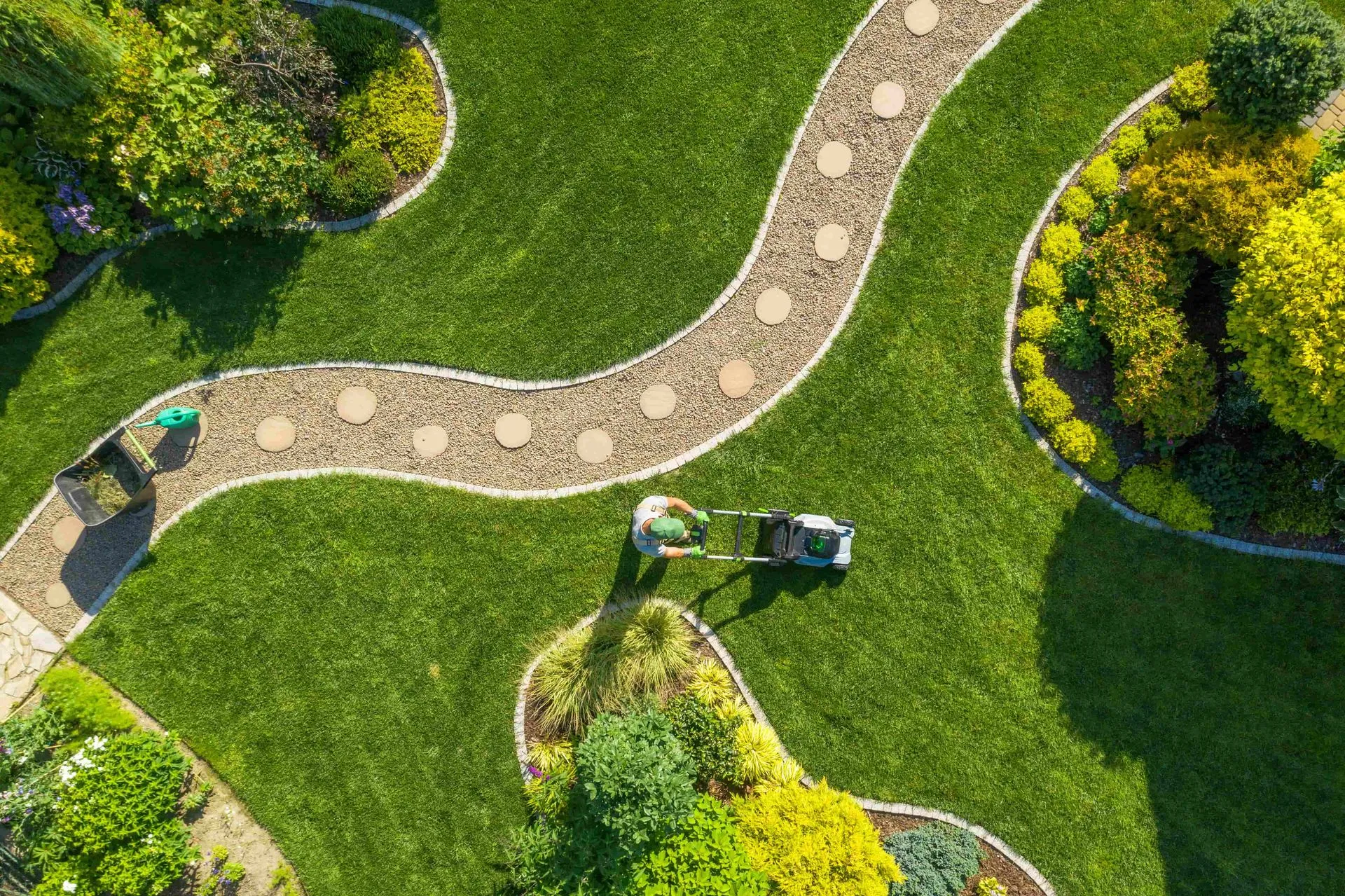
Start by considering the layout of your garden. It’s essential to design pet pathways that guide your furry companion through the garden without trampling plants. Consider using materials such as gravel, mulch, or flagstone, which are gentle on paws but effective in directing traffic. Align these paths with pet-friendly plants to add color and texture without risking their health.
When selecting plants, focus on non-toxic varieties. Many common garden plants can be harmful if ingested by pets. Avoid planting Azaleas, lilies, and foxglove, which can cause severe health issues. Instead, choose plants like marigolds, sunflowers, or rosemary, which are safe for pets and add vibrancy to your garden.
Incorporate pet-safe mulches in your landscape design. Cocoa mulch, for example, contains theobromine, a compound toxic to dogs. Opt for wood chips or shredded leaves instead. These alternatives offer a natural look and feel, are safe for pets, and provide an excellent foundation for your garden.
Designate specific areas where pets can dig and play. This simple step ensures that your carefully curated landscape remains intact and provides an outlet for natural pet behaviors. Consider adding a sandpit or a dedicated digging zone filled with soil or sand. Encourage your pet to use these designated areas by hiding treats or toys in the dirt.
Water features can be a fantastic addition to your pet-friendly garden, serving as a source of play and hydration. Ensure your pond or fountain is designed with shallow edges to allow easy access for pets. Regularly maintain these features to avoid stagnant water, which can become a breeding ground for pests and bacteria.
Don't forget to create shady retreats. Your pet will need a place to escape the heat during warmer months. Incorporate trees or shrubs that provide natural shade, or place a canopy over certain sections of the garden. A covered patio or pergola can not only offer shade but also add elegance to your landscape design.
While considering safety for pets, think about fencing solutions. A good fence can prevent your pets from wandering into potentially dangerous areas and helps keep unwanted wildlife out. Choose a fence that complements your overall landscape design while ensuring it's tall and sturdy enough to contain your adventurous pet.
Finally, be mindful of garden maintenance. Regularly inspect your garden for any harmful debris like sharp branches, broken pots, or garden tools left unattended. Keeping your lawn trimmed will also help you spot any potential hazards before your pet does.
Creating a pet-friendly garden doesn't mean compromising on beauty or functionality. With careful planning and the right choices, you can craft a landscape that is safe, engaging, and visually appealing for the whole family. Trust Aster Landscaping to assist in transforming your outdoor space into a thriving haven for both you and your pets. By following these guidelines, you’ll ensure your garden is an oasis of safety and enjoyment for years to come.
/filters:no_upscale()/filters:format(webp)/media/31400253-1a1d-4199-99bd-7b4de5de5178.jpeg)